


Mistakes to Avoid When Remodeling
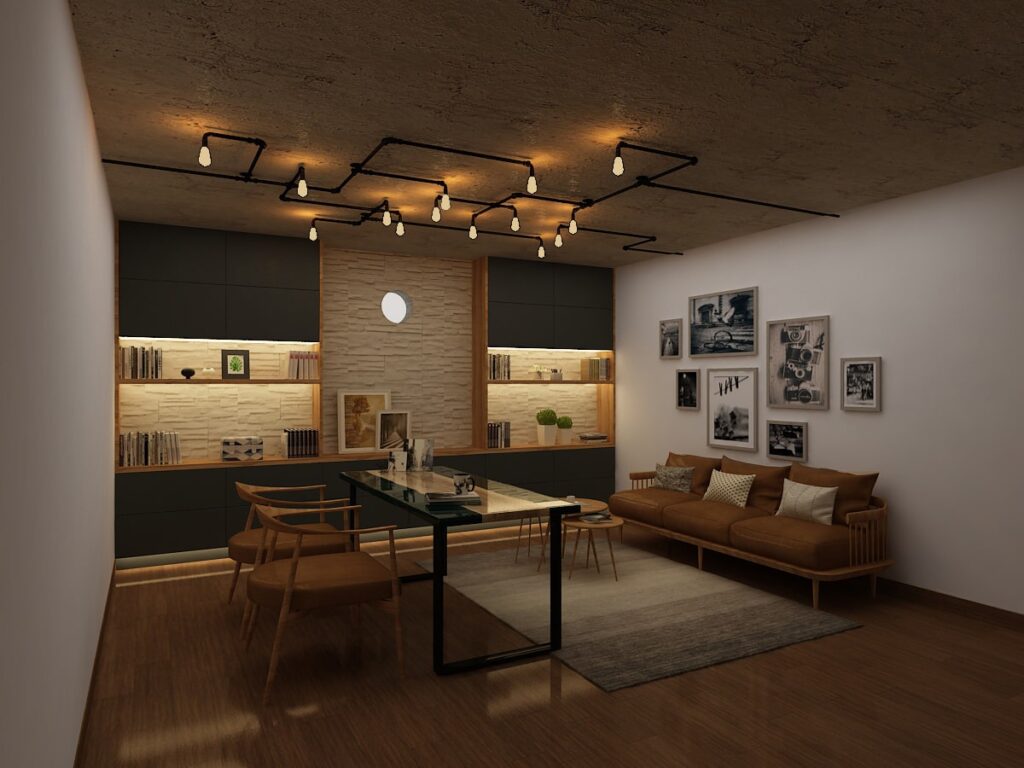
. Remodeling a space is an exciting opportunity to transform how you live, work, and gather — whether it’s a sleek cafeteria, a sprawling villa, or a stylish penthouse. But without careful planning and the right design partner, the process can become stressful, costly and disappointing. At Kuvio Studio, we’ve helped clients navigate many of the common pitfalls. Here are key mistakes to avoid when you embark on your next remodel. 1. Skipping the planning phaseOne of the biggest mistakes is diving into a remodel without a detailed plan. Deciding on finishes, layouts, lighting, plumbing and furniture only when work is underway invites delays, hidden costs and compromises. Take time to work with your design team to align your vision, budget and timeline so you avoid having to “fix” decisions mid‑project. 2. Ignoring functionality for aestheticsIt’s tempting to chase beautiful visuals, but if your space doesn’t function well, the result can frustrate daily living. For example, in a villa with open concept living, failing to plan for easy movement between kitchen, dining and lounge zones will lead to a mismatch of form and function. At Kuvio Studio we believe design should feel intuitive, not just look good. kuviostudio.com 3. Underestimating the budget (and scope creep)Remodels often grow beyond the original brief — hidden issues in older buildings, changed client mind‑sets or upgraded finishes can quickly drive costs up. Be honest about contingency funds and include allowance for surprises. Clear scope definition is vital so you don’t end up paying for features you didn’t plan for. 4. Choosing finishes without contextPicking trendy materials without considering lighting, texture, climate and maintenance is a common misstep. A glossy surface under bright sun may glare. A dark floor in a low‑light room may feel heavy. When remodeling a cafeteria, villa or penthouse, each space has its own character — the finish palette should respond accordingly. 5. Neglecting lighting and acousticsGood design isn’t just about furniture and colours — lighting and sound matter enormously. Too little ambient light or too much direct glare can ruin a space. Poor acoustics make living areas noisy and dining zones uncomfortable. Early coordination with electrical, HVAC and interior specialists will ensure the end result is comfortable and inviting. 6. Ignoring the future lifecycle of the spacePeople often design for “now” — but what about 5 years, 10 years, even 20 years hence? Does the villa layout support aging‑in‑place? Will finishes in the cafeteria hold up under heavy use? When remodeling a penthaus with luxury finishes, it still makes sense to factor in durability, ease of maintenance and flexible use so the space serves you longer. 7. Working without a trusted design‑build partnerFinally, one of the costliest mistakes is trying to manage everything yourself — from architecture to contractors to interior styling — without a unified team. At Kuvio Studio, our approach is holistic: we listen to your goals, craft an integrated plan and deliver a space that both “looks stunning and fits how you live, work and grow.” kuviostudio.com Remodeling can be one of the most rewarding transformations you’ll undertake. By avoiding these common mistakes, you’ll create a space that not only delights in the short term but also performs beautifully for years to come. If you’re ready to begin your next project — whether it’s a cafeteria, a villa or a penthouse — we’re here to help turn your vision into a living, breathing reality. Let’s talk.— The Kuvio Studio Team
How Interior Design Impacts Mental Health & Well‑Being
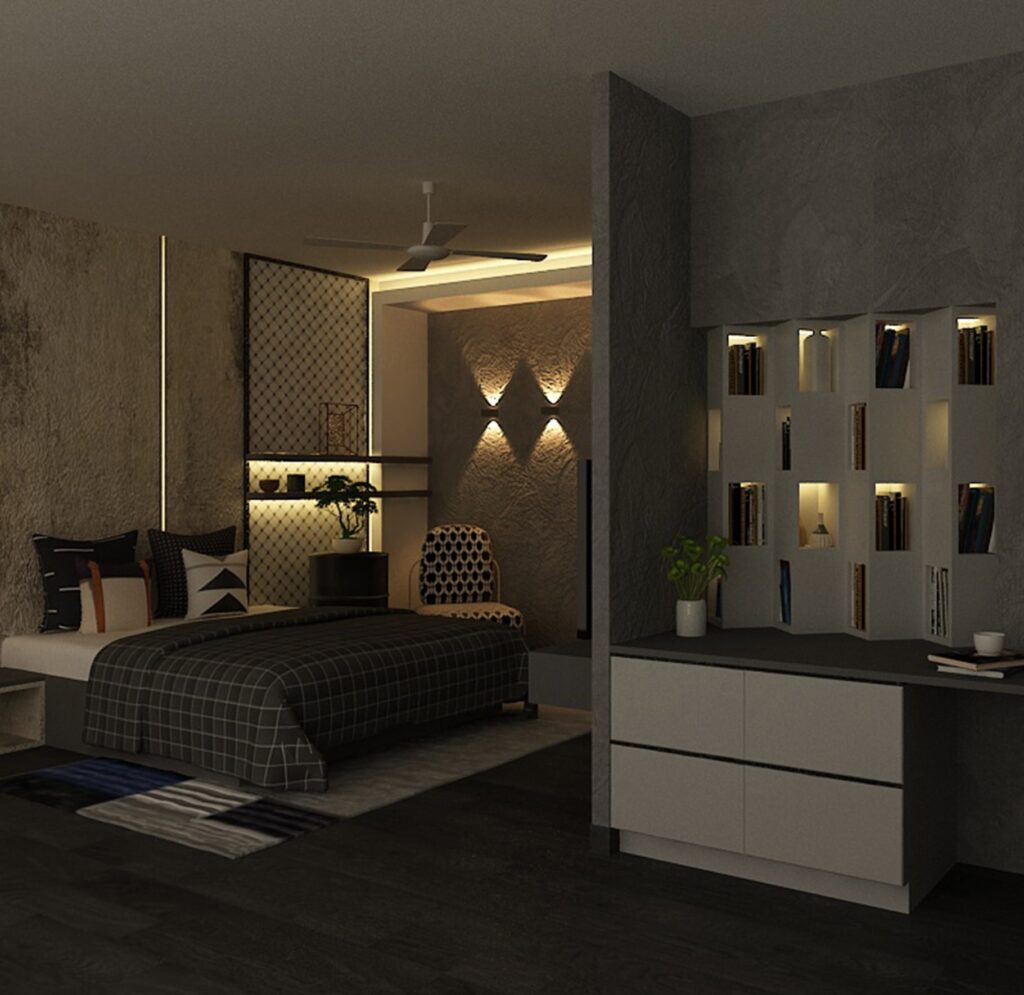
We often underestimate the power of our surroundings—but the spaces we inhabit every day significantly influence our emotional and mental well-being. From the lighting in our living rooms to the layout of our office, interior design is more than visual appeal; it’s a foundation for balance, productivity, and peace of mind. 1.Design That Supports the Mind Good design speaks to more than the eye—it speaks to the brain. Natural light helps regulate mood and sleep cycles. Calming colors like soft greens or blues can reduce anxiety. Even the arrangement of furniture affects how we move, think, and feel. For example, a cluttered or overly stimulating space can lead to mental fatigue. On the other hand, a calm, well-organized setting with thoughtful use of texture and space promotes clarity and emotional stability. This is where design becomes a tool for mental health—not just decoration. 2.The Importance of a Healthy Workspace Our workspace is where we spend much of our time, whether at home or in an office. It’s also where stress, pressure, and screen time can take a toll. A well-designed workspace isn’t a luxury; it’s a necessity for mental wellness. Simple changes—such as introducing natural elements like plants, allowing more daylight in, or using ergonomic furniture—can significantly reduce tension and increase focus. Zoning work areas for deep focus, meetings, and breaks can also help the mind stay organized and less overwhelmed. 3.Balancing Style with Mental Wellness A modern interior typically features open layouts, minimal clutter, and sleek lines—all of which contribute to a sense of calm and openness. These qualities help reduce sensory overload and foster a clear mind. However, modern doesn’t mean cold or impersonal. The best interiors combine clean aesthetics with warmth, comfort, and function. Bringing in natural materials, neutral tones, and layered lighting helps maintain balance between beauty and psychological comfort. A modern space can feel both sophisticated and soothing with the right approach. 4.Designing with Personality Mental well-being isn’t just about serenity—it’s about connection. Designing a unique interior that reflects your personality, values, and lifestyle can create a sense of belonging and emotional security. Personal touches—photos, artwork, travel mementos, or favorite colors—can turn a space into a sanctuary. 5.Where to Begin: Kuvio Studio If you’re thinking about transforming your space to support better mental health, Kuvio Studio is a great place to start. Known for their thoughtful approach to both function and aesthetics, Kuvio specializes in crafting interiors that are beautiful, practical, and tailored to each client’s unique needs. Whether it’s a residential redesign or a complete workspace overhaul, they blend creativity with purpose to design spaces that inspire well-being. Final Thoughts Interior design isn’t just about forming pretty spaces it’s a tool to uplift minds and nourish souls. At Kuvio Studio, we’re committed to crafting interiors that don’t just look good but feel right. When we put mental health at the heart of design, every room becomes more than a space it becomes a source of comfort, energy, and peace. Let’s collaborate to create a space that supports you emotionally, psychologically, and aesthetically.