


Designing Homes for Remote Work: Combining Comfort and Functionality
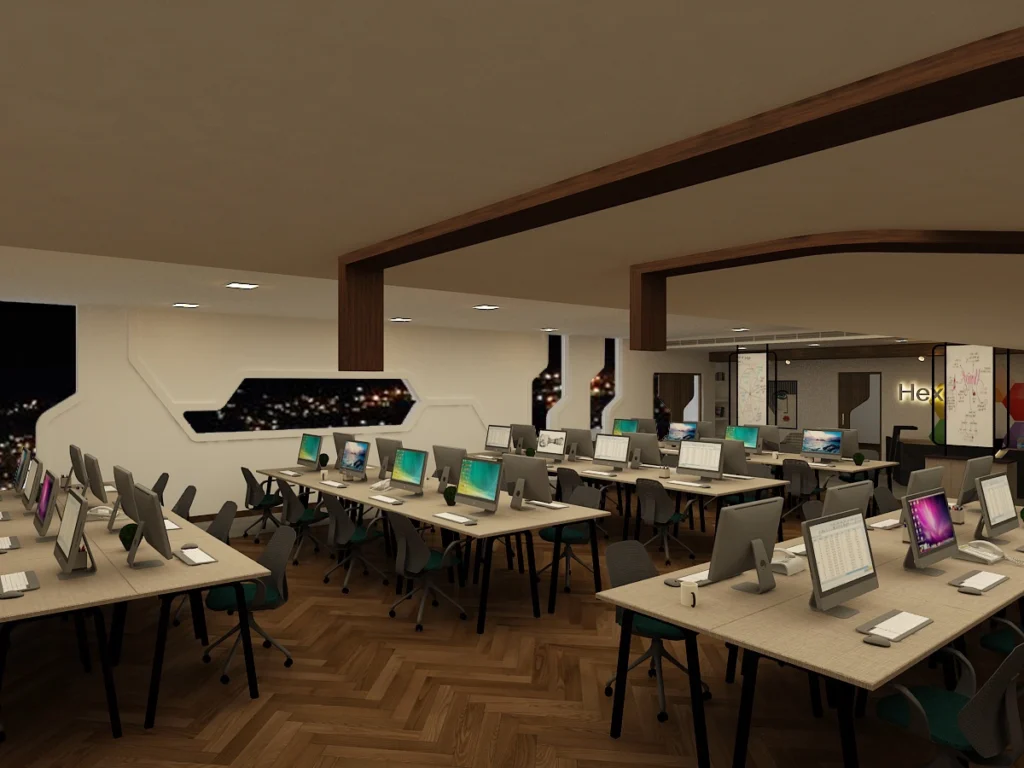
Remote work has transformed modern living. Homes are no longer just places to relax — they now serve as offices, meeting rooms, and creative studios. Designing a home that supports productivity while maintaining comfort is essential for long-term work-from-home success. A well-designed workspace improves focus, efficiency, and overall well-being. 1. Creating a Dedicated Work Zone A successful work-from-home setup starts with a dedicated workspace. Even if you don’t have a separate room, a defined corner helps create a professional mindset. When your brain associates a specific space with work, productivity naturally improves. Choose a quiet area with minimal distractions. Natural light plays an important role in boosting energy levels and reducing eye strain. Position your desk near a window if possible, and use light wall colors to make the space feel open and fresh. 2. Choosing Ergonomic Furniture for Comfort Comfort is the foundation of any productive workspace. Long working hours require proper posture and physical support. Ergonomic furniture helps prevent back pain, neck strain, and fatigue. A good office chair with lumbar support, an adjustable desk, and correct monitor height make daily work easier. A height-adjustable desk allows you to alternate between sitting and standing, improving circulation and posture. Small upgrades like a footrest or wrist support further enhance comfort. 3. Designing Smart Storage and Organization A cluttered workspace leads to a cluttered mind. Functional storage keeps your workspace clean, organized, and efficient. Well-planned storage also saves time by keeping important items easily accessible. Shelves, drawers, wall-mounted units, and filing cabinets help organize documents and gadgets neatly. Cable organizers and desk trays maintain a clean and professional look while reducing visual distractions. 4. Blending Aesthetics with Productivity Your home office should feel inspiring and motivating. A dull space can affect creativity and energy levels. Adding personal touches makes the workspace more enjoyable. Indoor plants, soft lighting, artwork, and calming colors create a balanced environment. Shades like beige, soft grey, pastel blue, and sage green promote focus while making the space visually pleasing. 5. Making the Space Tech-Friendly Remote work depends heavily on technology. A strong internet connection, sufficient power outlets, and proper lighting are essential for smooth workdays. Good task lighting reduces eye strain during long hours, especially in the evenings. A well-placed desk lamp ensures clear visibility for reading and writing. Power backup and cable management also improve daily efficiency. 6. Managing Noise and Distractions A quiet workspace improves concentration and productivity. If your home has background noise, sound-absorbing elements can help create a peaceful working environment. Curtains, rugs, upholstered furniture, and acoustic panels reduce echo and outside noise. Noise-cancelling headphones are also a practical solution for virtual meetings and focused work sessions. Final Thoughts Designing a home for remote work is about creating a space where productivity meets comfort. With a dedicated work zone, ergonomic furniture, smart storage, inspiring décor, strong technology support, and noise control, your home office becomes a space that reflects Premium interior A thoughtfully planned workspace blends functionality with elegance, delivering a refined experience rooted in Luxury design, contemporary aesthetics, and timeless comfort. When curated with vision and precision, your home office becomes a statement of Modern design and craftsmanship — setting the standard for design excellence among the top interior in Bangalore.
The Process of Selecting Materials and Suppliers: A Practical Guide
Selecting the right materials and suppliers plays a vital role in the success of any project, whether it is in construction, manufacturing, product design, or interior development. The quality of materials determines the durability and performance of the final output, while dependable suppliers ensure smooth workflow, timely delivery, and cost control. A structured and well-planned selection process helps organizations reduce risks, improve efficiency, and maintain consistent standards. 1. Understanding Project Requirements The first step in selecting materials and suppliers is to clearly understand the project requirements. Every project has specific technical needs, performance expectations, budget limitations, and completion timelines. These requirements must be documented in detail so that there is no confusion later in the process. For example, a high-end residential project focused on luxury interior design will require premium-grade materials that meet both aesthetic and functional standards. Defining requirements early ensures the selected materials and suppliers align perfectly with the project vision. 2. Researching Available Materials After defining the project needs, the next step is to research the available materials in the market. Different materials have different properties, durability levels, finishes, and costs. This stage involves studying alternatives and comparing them based on performance, availability, sustainability, and long-term value. In projects focused on premium interior spaces, material selection plays a major role in visual appeal, comfort, and durability. Proper research helps avoid future issues such as frequent replacements, poor finish quality, or unexpected maintenance costs. 3. Identifying Potential Suppliers Once the material type is finalized, the next step is to identify reliable suppliers who can provide consistent quality and service. Suppliers can be found through industry references, trade exhibitions, online platforms, and professional networks. It is important to shortlist suppliers who have a strong reputation, proven experience, and the capacity to meet order volumes. For projects aiming to deliver the best interior in Bangalore, supplier reliability and craftsmanship standards become even more critical. 4. Requesting Quotations and Samples After shortlisting suppliers, quotations and material samples should be requested. Quotations help compare prices, delivery schedules, payment terms, and warranty conditions. Samples allow the project team to physically inspect finishes, textures, and durability before placing a bulk order. This stage provides a clear picture of the supplier’s professionalism, communication efficiency, and transparency. 5. Evaluating Quality and Compliance Quality evaluation is one of the most critical steps in supplier selection. Materials must meet industry standards, safety regulations, and environmental guidelines. Suppliers should be able to provide test reports, certifications, and compliance documents. In some cases, factory inspections or audits may be conducted to evaluate production capacity and quality control systems. This step ensures that the materials supplied are reliable, safe, and built to last. 6. Final Selection and Contract Agreement After a detailed evaluation, the final supplier is selected based on quality, reliability, cost efficiency, and service support. A formal agreement is then signed to define pricing, delivery timelines, quality standards, penalties, warranty terms, and dispute resolution methods. A well-drafted contract builds trust and ensures smooth project execution. Conclusion The process of selecting materials and suppliers is not just a purchasing activity but a strategic decision that directly impacts project success. A systematic approach involving research, evaluation, testing, and negotiation ensures consistent quality, timely execution, and long-term value. When done correctly, supplier selection becomes a strong foundation for delivering outstanding results.
How to Communicate Your Vision to Your Interior Designer
Working with an interior designer can transform your space from “just-okay” to truly remarkable—but only if your vision is clear. At KuvioStudio, we believe that strong collaboration starts with understanding. Here’s how you can communicate your vision effectively, so your designer hits the mark and your space becomes the one you’ve always imagined. 1. Gather inspiration Start by compiling visual references—magazines, websites, Pinterest boards, Instagram saves. Perhaps you love the airy feel of Scandinavian design, or you’re drawn to the bold colours of mid-century modern. Share these visuals with your designer so they can see the aesthetic you’re drawn to. At visuals play a key role in defining style from the outset. 2. Define your lifestyle and priorities More than the look, your designer needs to understand how you live. Do you entertain frequently? Is the room mostly for relaxing? Do you need an efficient workspace? What are your must-haves (e.g., built-in storage, eco-friendly materials, pet-friendly surfaces)? By outlining your lifestyle and priorities, you help your designer craft a tailored solution rather than something generic. 3. Speak about mood and atmosphere Words like “warm,” “serene,” “vibrant,” “minimalist,” or “cozy” give clues about atmosphere. But go beyond vague adjectives. Explain why you like them: maybe you want your living area to feel like a spa retreat, or your home office to evoke creative energy. At KuvioStudio, we emphasise the emotional quality of space—how it feels when you walk in matters just as much as how it looks. 4. Be honest about budget and timeline Clear communication about budget and timeline from the start prevents misunderstandings. Let your designer know whether you’re open to splitting your investment across phases, or if you have a firm completion date. This transparency allows KuvioStudio to plan realistically, propose suitable materials and finishes, and avoid unexpected costs. 5. Use “must-haves” and “nice-to-haves” Divide your design goals into essentials and luxuries. For example, a comfortable sofa might be non-negotiable, while a designer pendant lamp might be a “nice-to-have” if the budget tightens. At KuvioStudio, we encourage clients to prioritise their list—this enables us to allocate resources better and make informed design decisions. 6. Maintain open communication Design is an iterative process. Give feedback on preliminary plans, mood boards, and drafts. If a colour feels off, a layout isn’t working, or you love a particular finish—share that. Good designers at KuvioStudio thrive on dialogue; the more you engage, the better the end result. 7. Trust their expertise—but stay engaged You hired your interior designer for a reason. While you guide the vision, don’t hesitate to lean on their experience. A seasoned designer can offer alternatives, foresee potential problems, and elevate your initial ideas. That said, it remains your home. By staying engaged and asking questions, you ensure the final space reflects both your taste and the designer’s expertise. Communicating your vision clearly sets the stage for a design journey that’s exciting, efficient and deeply personal. Whether you’re renovating a single room or reimagining an entire home, working with the team at KuvioStudio ensures your space reflects not just how you live—but how you want to feel every day.
Regional design inspiration: drawing from local materials, crafts, culture.
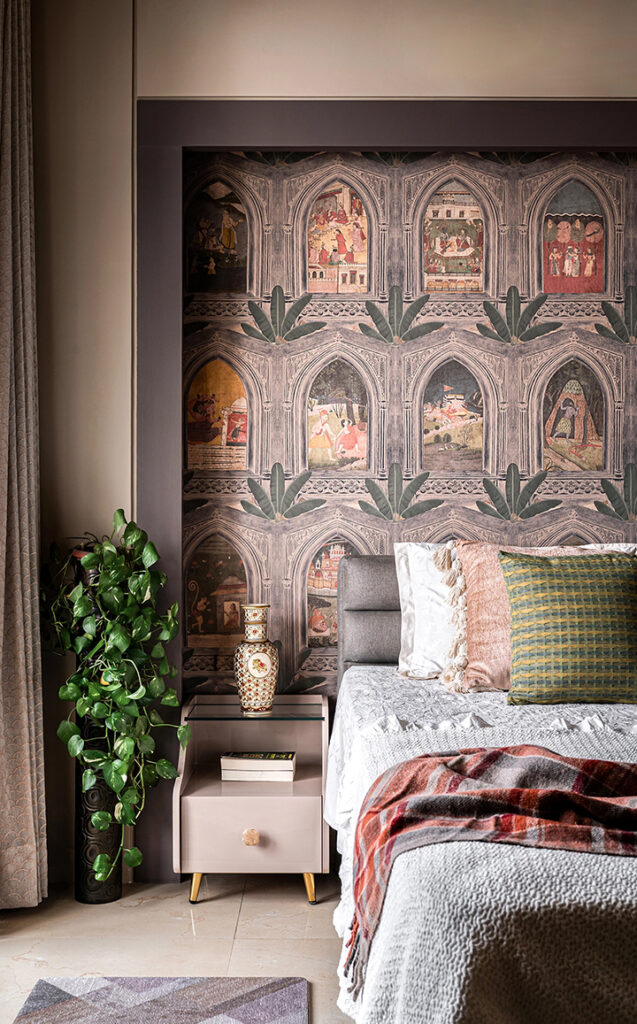
Interior design becomes truly meaningful when it reflects a sense of place. Regional design inspiration draws from local materials, traditional crafts, and cultural narratives to create spaces that feel authentic and deeply rooted. Rather than relying solely on global trends, this approach celebrates identity, heritage, and context. Whether applied to homes or high-end residences, regional design connects interiors to their surroundings. In this blog, we explore how local materials, crafts, and culture shape distinctive interiors. 1.Local Materials as the Foundation of Design Locally sourced materials form the backbone of regional design. Stone, timber, clay, and natural fibres reflect the colours and textures of the surrounding landscape. These materials are often climate-responsive, offering durability and comfort suited to the region. Their natural variations add character and warmth to interiors. Using local materials also supports sustainability and regional craftsmanship. 2.Traditional Crafts and Artisanal Techniques Regional crafts bring authenticity and soul to a space. Handwoven textiles, carved wood panels, pottery, and metalwork showcase generations of skill and cultural knowledge. These elements add depth that cannot be replicated by mass-produced finishes. Artisanal details create focal points while preserving heritage. They allow interiors to feel personal, layered, and culturally rich. 3.Cultural Narratives Shaping Interior Identity Culture influences how spaces are organised, decorated, and experienced. Patterns, motifs, colours, and spatial layouts often stem from local traditions and lifestyles. Integrating these elements allows interiors to tell a story rather than follow a generic style. This narrative-driven approach creates emotional connection and belonging. Design becomes a reflection of community and values. 4.Contemporary Interpretation of Regional Design Regional inspiration does not mean staying in the past. Modern interiors reinterpret traditional elements through clean lines, refined proportions, and updated materials. This balance allows heritage to coexist with modern comfort and technology. The result is a Luxury interior that feels rooted yet current. Tradition becomes a design language rather than a limitation. 5.Regional Design in High-End Living Spaces In Luxury Penthouses, regional elements add warmth and identity to otherwise sleek, urban settings. In a Luxury villa, local stone, handcrafted details, and culturally inspired palettes strengthen the connection between indoor and outdoor living. These spaces feel exclusive because they are context-specific, not generic. Regional design enhances both elegance and authenticity. Final Thought Regional design inspiration brings depth, meaning, and timelessness to interiors. By drawing from local materials, crafts, and culture, spaces gain authenticity and a strong sense of identity. This approach respects heritage while allowing for modern expression. Ultimately, interiors rooted in place feel more personal, sustainable, and enduring—celebrating both where we live and how we live.
What colours do to mood & perception of space.
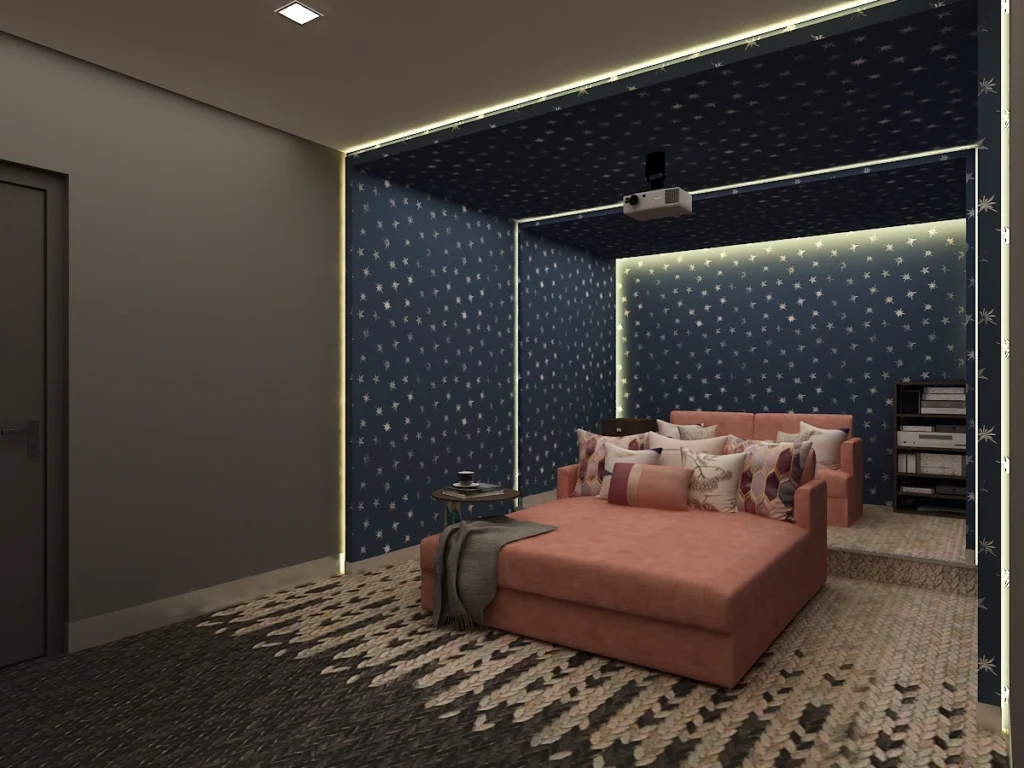
In today’s design landscape, colour is no longer just a finishing touch—it is a defining element that shapes how a space feels and functions. Beyond visual beauty, colour has the power to influence emotions, behaviour, and the way we perceive space. Thoughtful colour choices can make interiors feel calm or energetic, expansive. When applied with intention, colour becomes a silent design language. This blog explores how colour impacts mood and spatial perception in interior environments. 1.Psychological Impact of Colour on Mood Colours interact directly with human emotions and mental states. Warm shades such as red, orange, and yellow are known to stimulate energy, warmth, and social interaction. These hues can create a welcoming atmosphere when used in moderation. Cooler tones like blue and green encourage calmness, relaxation, and focus. The right balance ensures emotional comfort without overstimulation. 2.Warm Colours and Spatial Intimacy Warm colours tend to visually advance, making surfaces feel closer to the viewer. This quality helps create intimate, cosy environments in large or open rooms. They are effective in areas designed for connection and engagement. However, excessive use can make smaller rooms feel confined. Strategic placement maintains comfort while preserving spatial balance. 3.Cool Colours and Visual Expansion Cool colours visually recede, giving rooms a more open and airy feel. Light blues, greens, and soft purples enhance spaciousness and clarity. These tones are ideal for compact interiors or areas with limited natural light. They support a sense of calm and openness. Proper lighting further enhances their expansive effect. 4.Neutrals as a Foundation for Balance Neutral colours provide visual stability and timeless appeal. Shades such as white, beige, grey, and taupe allow other design elements to stand out. They reflect light efficiently, improving brightness and perceived space. Neutrals also adapt easily to changing styles over time. This makes them a reliable base for layered design. 5.Cohesive Colour Strategy in Interior Design A successful colour scheme relies on harmony rather than isolated choices. Layering base tones with secondary shades and subtle accents creates visual flow. This approach supports elegance in a Luxury interior while maintaining clarity in a Modern interior. In a Villa, colour often draws inspiration from natural surroundings. Consistency ensures spaces feel connected and purposeful. Final Thought The true impact of colour lies in its subtlety. When chosen with awareness and purpose, it quietly supports mood, enhances space, and elevates everyday living. Thoughtful colour design is not about following trends, but about creating interiors that feel right—now and for years to come.
Transforming Homes with Smart Integration: Lighting, Temperature & Automation
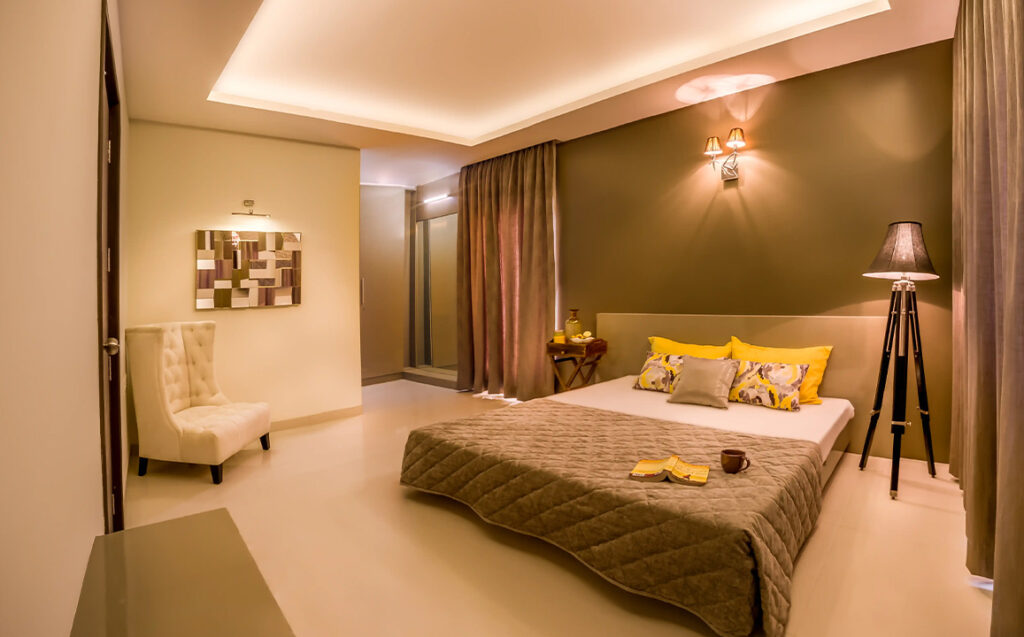
1 The Evolution of Smart Living Smart home technology has transformed the way we experience convenience, comfort, and functionality in our living spaces. What began as simple remote-controlled devices has evolved into intelligent, interconnected systems that manage lighting, temperature, and home automation. This shift isn’t only about efficiency—it’s about enhancing the ambience of a home to reflect the sophistication of a Luxury interior environment. 2 Smart Lighting: Setting the Perfect Mood Lighting shapes the atmosphere of every room, and smart lighting takes this to a personalized new level. Homeowners can adjust brightness, color temperature, and lighting scenes with a single tap or voice command. Automated lighting can shift based on the time of day, providing cool tones for productivity or warm hues for relaxation. From motion-sensor pathways to customized mood presets, smart lighting supports the clean, seamless aesthetic of a Modern interior, where design and technology work hand in hand. 3 Temperature Control: Comfort with Intelligence Smart thermostats and automated climate systems ensure the home is always at the ideal temperature. These systems learn your schedule, adapt to your preferences, and help reduce energy usage. Whether cooling the living room before you arrive or warming the bedroom as you prepare for sleep, automated temperature control brings both comfort and efficiency. Remote access adds another layer of convenience, making temperature management effortless. This intelligent customization aligns with the elevated experience expected in a premium interior space. 4 Home Automation: A Connected Living Experience Complete home automation unifies all smart features into one intuitive ecosystem. Motorized blinds, voice-controlled appliances, integrated security, and synchronized entertainment systems work together to streamline daily routines. Imagine a home that gently wakes you by opening curtains, adjusting lighting, and setting the perfect temperature—all without lifting a finger. This seamless connection enhances everyday living, turning ordinary tasks into simple, automated experiences. 5 Energy Efficiency & Sustainability Smart home integration significantly improves energy efficiency. Automated lights turn off when rooms are empty, climate systems adjust based on occupancy, and appliances run only when needed. These features reduce energy bills and minimize environmental impact, making smart homes both stylish and sustainable. 6 The Future of Smart Homes As technology advances, smart homes will become even more intuitive. Sensor-driven systems, AI personalization, and improved device compatibility will further refine how effortlessly we interact with our surroundings. Future homes will anticipate needs, enhance well-being, and offer unmatched convenience.
How to Design With Low Environmental Impact
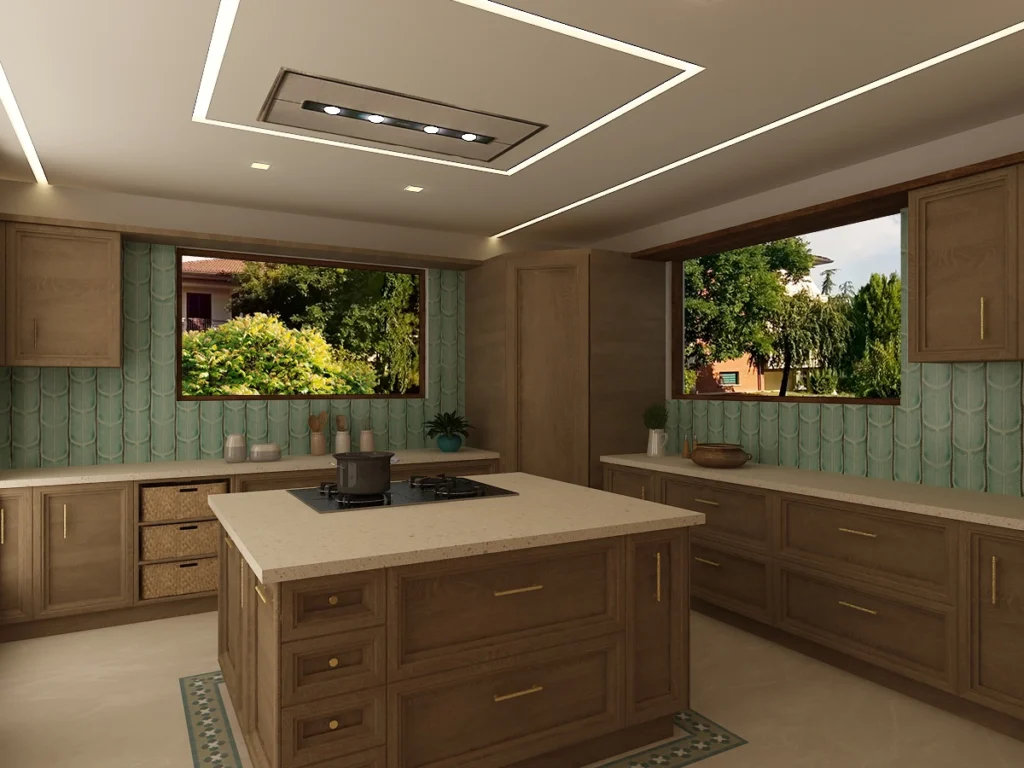
Designing with low environmental impact is becoming more than just a trend it’s a responsibility. As the world becomes increasingly aware of climate change, waste, and the depletion of natural resources, homeowners, designers, and businesses are seeking ways to reduce their footprint while still creating beautiful, functional spaces. Fortunately, eco-friendly design doesn’t mean compromising style. In fact, sustainable choices often lead to more thoughtful, timeless designs, whether you’re creating a unique interior or exploring the elegance of Modern interiors. Here are practical strategies to design with the planet in mind. 1. Choose Sustainable Materials The foundation of environmentally friendly design is material selection. Opt for materials that are renewable, recycled, or responsibly sourced. Bamboo, cork, reclaimed wood, and recycled metal are excellent choices because they require less energy to produce and help minimize deforestation or mining impact. When using wood, look for certifications like FSC (Forest Stewardship Council), which ensures responsible forestry practices. Natural materials also tend to have a longer lifespan and age gracefully, reducing the need for frequent replacement. 2. Prioritize Energy Efficiency Energy-efficient design greatly reduces the carbon footprint of any space. Start with lighting—LEDs consume significantly less energy and last longer than traditional bulbs. Maximize natural light through skylights, larger windows, and open layouts. Incorporating energy-efficient appliances and HVAC systems also contributes to long-term savings for both the environment and your utility bills. Insulation, sealing gaps, and using thermal curtains can make a huge difference in maintaining comfortable temperatures year-round. 3. Embrace Upcycling and Reuse One of the simplest and most impactful ways to design sustainably is by reusing what you already have. Upcycling old furniture, repurposing materials, or restoring vintage pieces adds character while preventing unnecessary waste. Instead of buying new décor, consider repairing worn items or giving them a fresh look with paint or new upholstery. This approach reduces landfill waste and often creates more charming and meaningful spaces. 4. Reduce Chemical Use Indoor air quality matters. Many paints, adhesives, and finishes contain volatile organic compounds (VOCs) that harm both health and the environment. Choose low-VOC or zero-VOC products to ensure a cleaner, safer indoor space. Natural fibers such as cotton, jute, and wool are better alternatives to synthetic fabrics, which are often petroleum-based and contribute to microplastic pollution. 5. Invest in Long-Lasting Design Fast decor trends encourage constant replacement, which leads to more waste. Instead, focus on longevity by choosing timeless styles, durable materials, and well-crafted pieces. High-quality items may cost more upfront but save resources and money in the long run. Thoughtfully designed multipurpose furniture can also reduce the need for additional pieces, minimizing material use. 6. Support Local and Ethical Makers Purchasing locally crafted decor or furniture reduces transportation emissions and supports community artisans. You also gain insight into how materials were sourced and produced. Ethical brands often prioritize sustainability, making them valuable partners in eco-conscious design.
How to Plan a Renovation Project
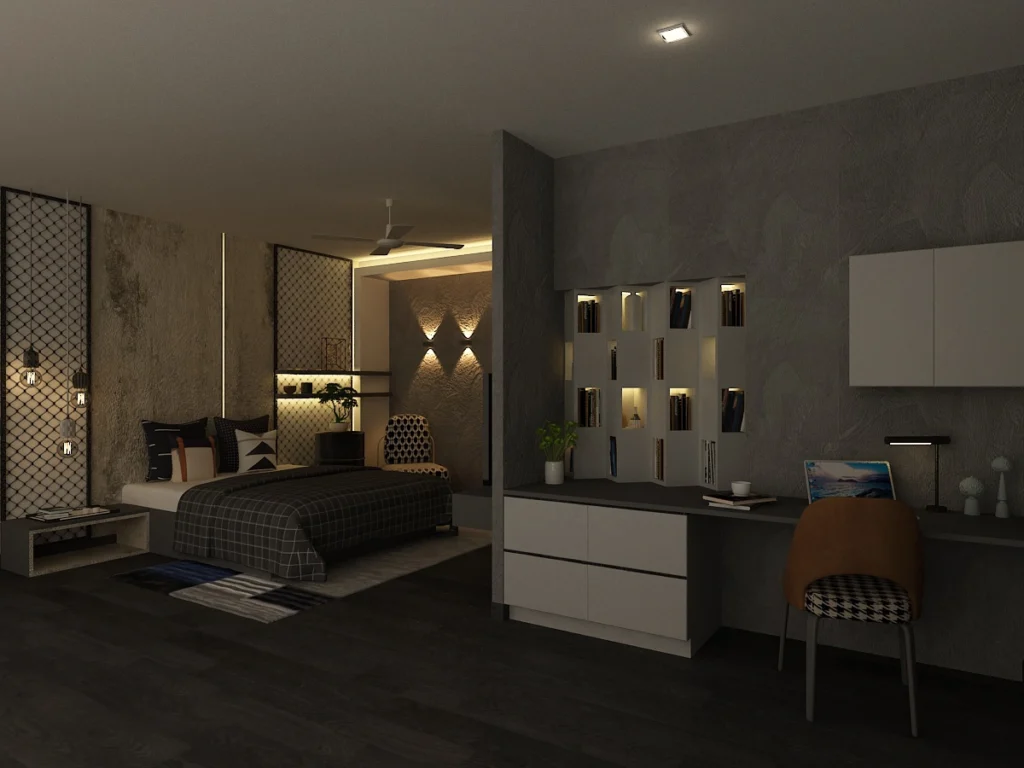
Renovating a home—whether just one room or your entire house—can feel both exhilarating and daunting. The first step is to define what you really want to achieve. Do you want to upgrade the space to boost resale value, create a more functional layout, or simply refresh the style? Inspiration plays a key role here: save images, explore design blogs, and collect ideas on a mood board. With a clear vision, communicating with designers and contractors becomes easier, and you stay focused on your goals. 1.Set a Realistic Budget Once your vision is solid, it’s time to figure out how much it’ll cost. Research typical renovation expenses in your area and factor in labour, materials, design fees, permits, and inspections. If your renovation is extensive, include the cost of temporary living arrangements. Crucially, build in a contingency fund of about 10–20% of your total budget—unexpected issues nearly always arise, and this cushion helps you handle them without derailing your plan. 2.Understand Permits and Regulations Many homeowners underestimate permitting needs, but this is a step you can’t skip. If your renovation involves structural changes, re-wiring, plumbing, or extensions, you almost certainly need permits. Consult your local building department or engage a contractor who knows the local rules. Getting approvals early helps avoid delays, fines, and potential legal issues down the road. 3.Hire Qualified Professionals The right team is vital for a successful renovation. Look for designers or architects who resonate with your style, check reviews, and ask for a portfolio of completed work. When discussing your project, request a detailed, itemized estimate. Verify that the firm is licensed and insured. Trustworthy professionals will guide you through the entire journey—from design to execution—while keeping your priorities at the center. 4.Create a Detailed Timeline Collaborate with your hired team to build a realistic renovation schedule. Break the project down into phases: demolition, structural work, plumbing and electrical rough-ins, drywall, painting, finishing, and so on. Tracking when materials are delivered and when each phase begins keeps everyone on the same page—and helps you understand how long the disruption might last. 5.Prepare for Lifestyle Adjustments Renovations often disrupt day-to-day life. If you’re redoing your kitchen, set up a temporary cooking space. For a bathroom makeover, plan alternate arrangements. Keep in mind the impact of noise, dust, and safety on everyone in the home—especially children and pets. Thoughtful planning here will make the process smoother and more tolerable. 6.Communicate Clearly and Consistently Good communication is the backbone of a renovation. Schedule regular check-ins with your contractor or designer, ask questions promptly, and document all major decisions and alterations. Recording changes ensures that everyone is aligned, and it protects you from misunderstandings later. 7.Stay Flexible for Unexpected Challenges No renovation goes 100% according to plan. Hidden issues—like water damage, structural surprises, or material shortages—can always crop up. Being mentally prepared for bumps and having that contingency fund means you can respond without panic. Incorporating Design Expertise: Kuvio Studio If you’re seeking professional design support, consider Kuvio Studio (https://kuviostudio.com/), a Bangalore-based interior design firm. Their team specializes in residential, office, retail, and hospitality spaces, blending beauty with functionality in a deeply personal way. kuviostudio.com Kuvio’s process starts with understanding your needs through discovery and mood boards, moves through conceptualization with 2D and 3D designs, and culminates in detailed specifications and execution. kuviostudio.com The studio is led by Richa Singh, who brings over 15 years of collective design experience to the table. Their client-centric approach and commitment to refined, practical spaces make them an ideal partner if you’re serious about a renovation that’s beautiful, functional—and uniquely you.
How to Choose Paint Colours: Tips for Matching Tones, Undertones, and Natural Lighting
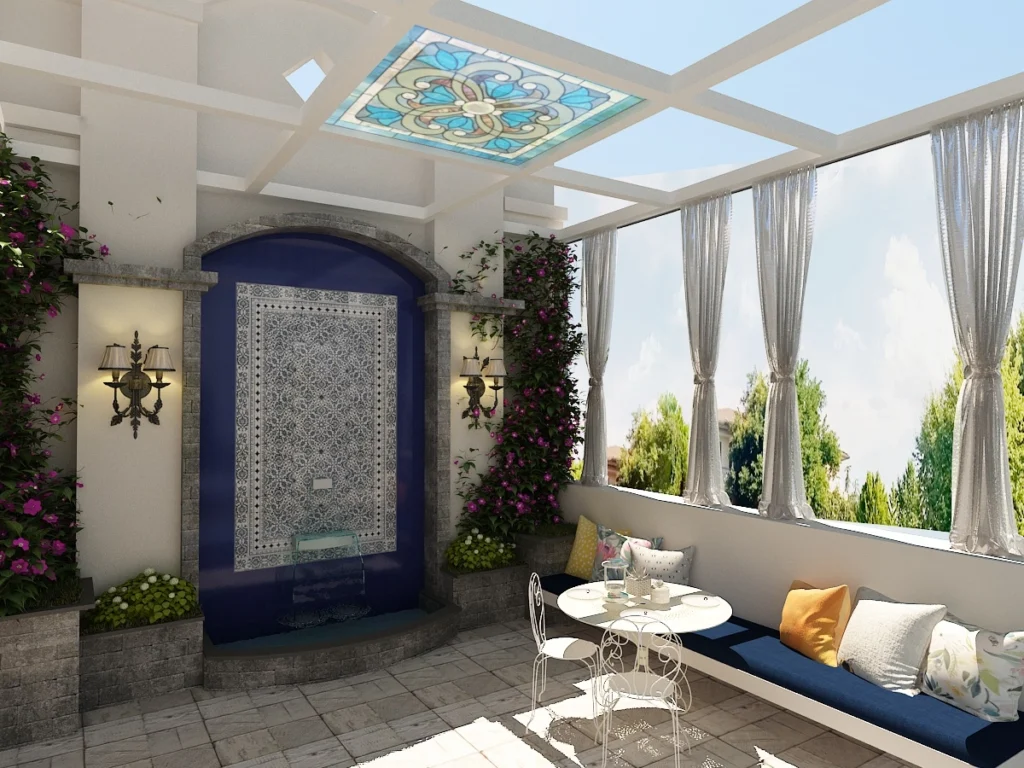
Choosing paint colours may seem simple — just pick a shade you like, right? In reality, the right paint colour can make or break a room. The challenge lies not only in finding a hue that appeals to your taste but also in ensuring it harmonizes with your home’s lighting, décor, and overall atmosphere. Understanding tones, undertones, and the role of natural light can help you make the perfect choice. 1. Start with the Mood You Want to Create Before diving into colour swatches, think about the mood you want to evoke in your space. Do you want a calm, relaxing bedroom or a vibrant, energetic kitchen? Soft blues and greens are ideal for creating serenity, while warm yellows, oranges, and reds bring energy and warmth. Neutrals like beige, greige, and off-white provide flexibility and balance. Establishing a mood helps narrow down your palette and guides the rest of your design choices. 2. Understand Tones and Undertones Every paint colour has a tone (its overall lightness or darkness) and an undertone — the subtle hue that influences how the colour appears. For example, a grey paint may have blue, green, or purple undertones that become more pronounced under different lighting conditions. The same goes for whites; one might lean warm with yellow undertones, while another feels cool with blue undertones. To identify undertones, compare paint samples side by side. A “pure” white will look stark next to a creamy, yellow-toned white. Pay attention to how undertones interact with your flooring, furniture, and fabrics — these fixed elements can bring out or clash with certain hues. 3. Test Paint in Different Lighting Conditions Lighting dramatically changes how colours appear. Natural light brings out the truest version of a colour, while artificial lighting — whether warm or cool — can shift it noticeably.North-facing rooms have cool, bluish light, so warm tones like beige or buttery yellow add balance.South-facing rooms get bright, warm light that flatters most colours—cool blues and greens create harmony.East-facing rooms glow warmly in the morning and cool later; test colours at different times of day.West-facing rooms are cooler early but rich and golden in the evening—neutral or deep tones work best.Light direction transforms colour, so always sample shades under the room’s natural conditions 4. Coordinate with Existing Elements Consider your flooring, cabinetry, countertops, and even trim colour. These fixed features have their own tones and undertones that should complement your wall colour. For instance, a cool grey wall might clash with a warm oak floor. Aim for harmony rather than an exact match — contrasting tones can create beautiful depth when done intentionally. 5. Trust the Process and Your Instincts Choosing paint colours is both art and science. While swatches, lighting tests, and expert advice are essential, your personal taste should guide the final decision. A colour that feels right to you will always make your space feel like home. For professional guidance and beautifully balanced colour combinations, you can explore expert services in interior design, Bangalore to transform your home into a stylish and harmonious haven.
How to pick the right furniture for small spaces
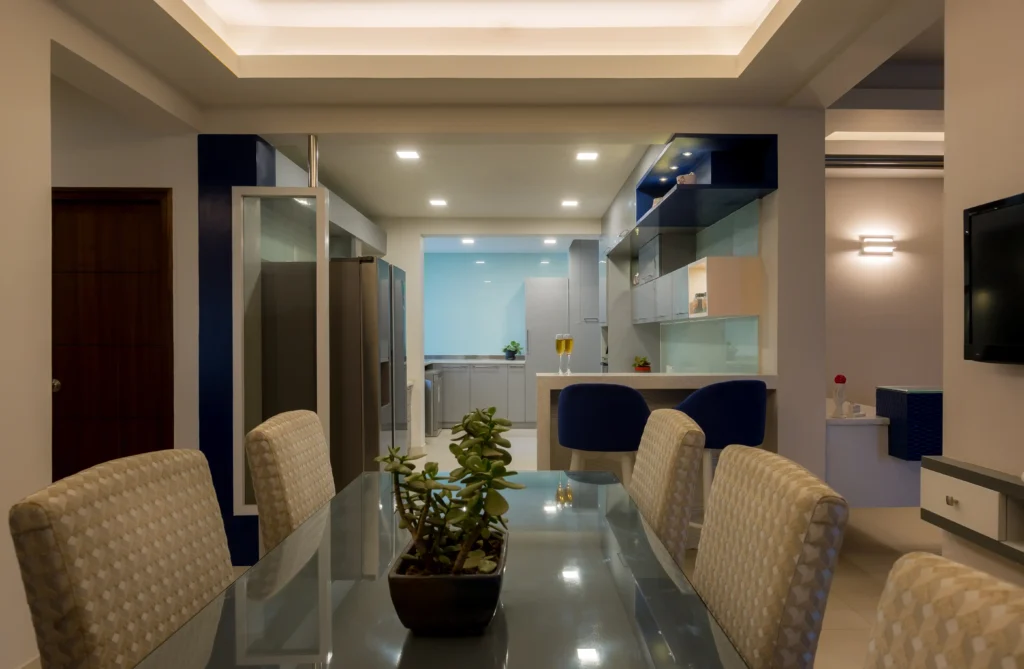
When you live in a compact home or simply want to make the most of a smaller room, choosing the right furniture becomes more than just “what looks good.” It becomes a strategic decision that balances style, function, and space-economy. For those aiming for a luxury / modern / premium interior, the challenge is even greater: how do you get the refined feel of high-end design without turning your small space into a cluttered visual maze? The answer lies in thoughtful furniture selection & placement — and you can draw inspiration from design firms like Kuvio Studio 1. Start with measurements and understanding your footprint Before picking a show-piece sofa or centerpiece table, measure your space: length, width, ceiling height, door swings, windows. In a small room every centimetre counts. A large piece might dominate and impede movement; a well scaled piece can elevate the room. Luxury modern interiors often appear spacious because they respect circulation flow. Think less “oversized statement” and more “precise, chosen piece”. 2. Choose furniture that is multifunctional or has a slim profile In premium interiors, furniture doesn’t just look good—it works smarter. For instance: a coffee table with hidden storage, a console that doubles as a workstation, or a wall-mounted shelf that keeps things elevated and airy. Even in luxury design, small spaces call for pieces that serve more than one purpose. Keep the visual weight light — choose legs (rather than boxy bases), transparent or open-sided designs, or lighter tones so the piece doesn’t feel bulky. 3. Prioritise quality over quantity A compact space doesn’t mean you should compromise on material or finish. On the contrary: in a small footprint, each piece is very visible, so quality matters. Go for premium finishes (brass hardware, marble tops, sleek upholstery) that give a luxury and modern touch. Firms like Kuvio Studio “luxury interiors infused with passion and intelligent designs” 4. Keep the visual palette coherent and light Small spaces benefit from a cohesive colour and material palette. For a modern premium look, choose a few luxe materials — say velvet upholstery in a deep jewel tone, brushed metal accents, glass or mirrored surfaces, and mix with a neutral base. Avoid too many competing textures or colours which make a space feel smaller. Instead, let the premium material speak without overwhelming. Transparency (glass-top tables) or reflectivity (mirrors) help the room breathe. 5. Scale down but keep the design signature Just because you need smaller furniture doesn’t mean you need boring furniture. Opt for designs that reflect your taste: sculptural legs, tailored upholstery, fine joinery. A compact lounge chair with a sleek profile and high-end fabric can read luxury. A slim sideboard with rich veneer and minimalist hardware can anchor your room without dominating it. The key is scale: the piece should fit the room but still carry the premium design signature. 6. Placement matters – leave breathing room Even in a small space, design firms emphasise negative space (empty space) as part of luxury. Don’t push every piece flush against every wall or cram furniture in. Allow visual breaks and circulation space. That will elevate your interior from “small and cramped” to “cozy and curated”. For modular or custom interiors, staying clear of crowding is what creates that premium, intentional feel. 7. Work with professionals when you want tailored efficiency When you’re striving for a luxury modern interior but constrained by space, working with an interior-design studio such as Kuvio Studio can be a smart move. They’ve built projects that are “future-ready ergonomic set-ups” and bespoke in nature. Kuvio Studio A custom built-in piece could make far more sense than off-the-shelf, especially in a small space. Picking the right furniture for small spaces is an art of balance — between scale and luxury, between function and style. Measure first. Choose fewer but better pieces. premium materials with modern finishes. Keep the palette simple. And allow the room to breathe. With the right decisions, even a modest space can feel like a high-end sanctuary.