


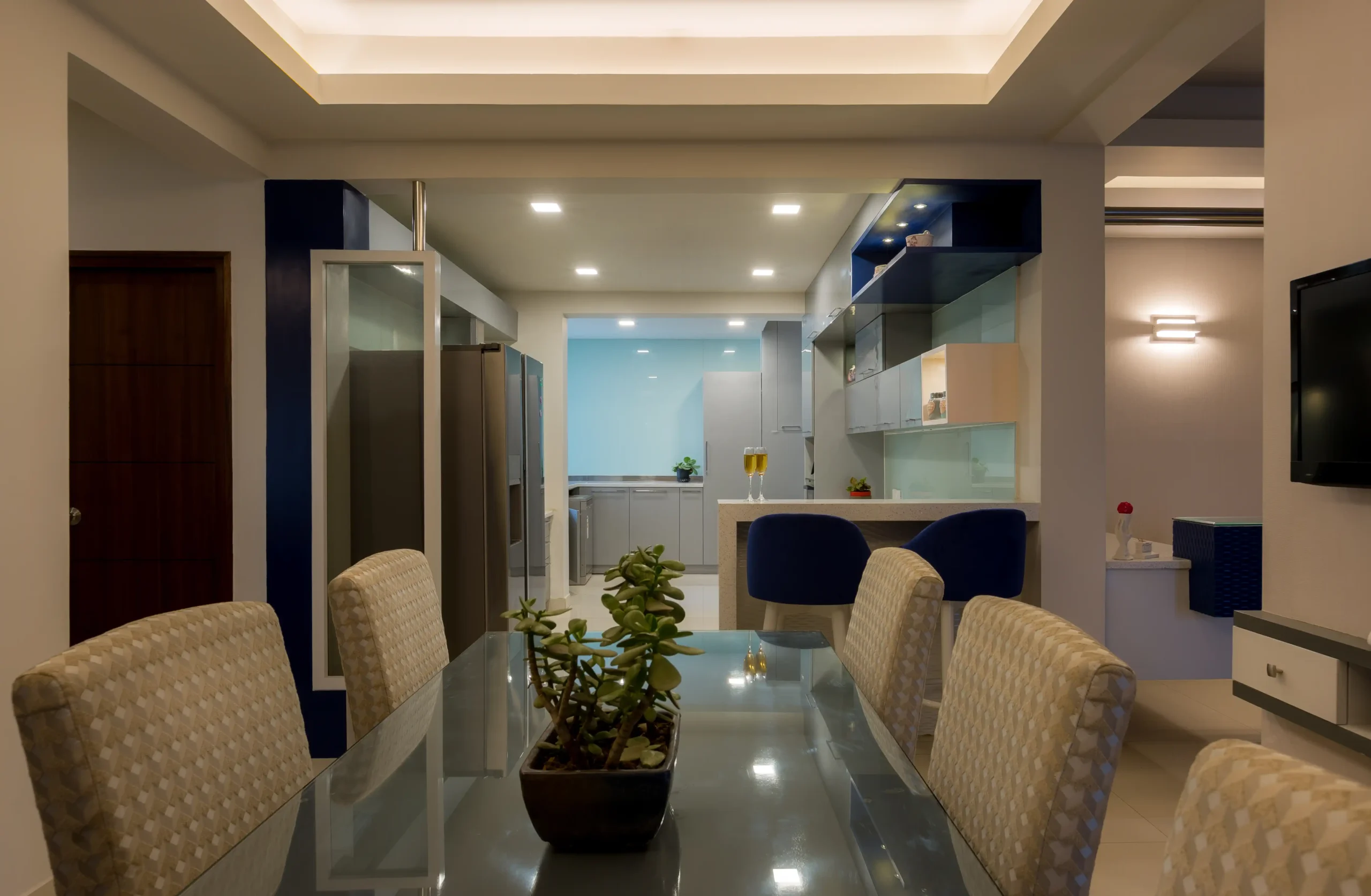
When you live in a compact home or simply want to make the most of a smaller room, choosing the right furniture becomes more than just “what looks good.” It becomes a strategic decision that balances style, function, and space-economy. For those aiming for a luxury / modern / premium interior, the challenge is even greater: how do you get the refined feel of high-end design without turning your small space into a cluttered visual maze? The answer lies in thoughtful furniture selection & placement — and you can draw inspiration from design firms like Kuvio Studio
1. Start with measurements and understanding your footprint
Before picking a show-piece sofa or centerpiece table, measure your space: length, width, ceiling height, door swings, windows. In a small room every centimetre counts. A large piece might dominate and impede movement; a well scaled piece can elevate the room. Luxury modern interiors often appear spacious because they respect circulation flow. Think less “oversized statement” and more “precise, chosen piece”.
2. Choose furniture that is multifunctional or has a slim profile
In premium interiors, furniture doesn’t just look good—it works smarter. For instance: a coffee table with hidden storage, a console that doubles as a workstation, or a wall-mounted shelf that keeps things elevated and airy. Even in luxury design, small spaces call for pieces that serve more than one purpose. Keep the visual weight light — choose legs (rather than boxy bases), transparent or open-sided designs, or lighter tones so the piece doesn’t feel bulky.
3. Prioritise quality over quantity
A compact space doesn’t mean you should compromise on material or finish. On the contrary: in a small footprint, each piece is very visible, so quality matters. Go for premium finishes (brass hardware, marble tops, sleek upholstery) that give a luxury and modern touch. Firms like Kuvio Studio “luxury interiors infused with passion and intelligent designs”
4. Keep the visual palette coherent and light
Small spaces benefit from a cohesive colour and material palette. For a modern premium look, choose a few luxe materials — say velvet upholstery in a deep jewel tone, brushed metal accents, glass or mirrored surfaces, and mix with a neutral base. Avoid too many competing textures or colours which make a space feel smaller. Instead, let the premium material speak without overwhelming. Transparency (glass-top tables) or reflectivity (mirrors) help the room breathe.
5. Scale down but keep the design signature
Just because you need smaller furniture doesn’t mean you need boring furniture. Opt for designs that reflect your taste: sculptural legs, tailored upholstery, fine joinery. A compact lounge chair with a sleek profile and high-end fabric can read luxury. A slim sideboard with rich veneer and minimalist hardware can anchor your room without dominating it. The key is scale: the piece should fit the room but still carry the premium design signature.
6. Placement matters – leave breathing room
Even in a small space, design firms emphasise negative space (empty space) as part of luxury. Don’t push every piece flush against every wall or cram furniture in. Allow visual breaks and circulation space. That will elevate your interior from “small and cramped” to “cozy and curated”. For modular or custom interiors, staying clear of crowding is what creates that premium, intentional feel.
7. Work with professionals when you want tailored efficiency
When you’re striving for a luxury modern interior but constrained by space, working with an interior-design studio such as Kuvio Studio can be a smart move. They’ve built projects that are “future-ready ergonomic set-ups” and bespoke in nature. Kuvio Studio A custom built-in piece could make far more sense than off-the-shelf, especially in a small space.
Picking the right furniture for small spaces is an art of balance — between scale and luxury, between function and style. Measure first. Choose fewer but better pieces. premium materials with modern finishes. Keep the palette simple. And allow the room to breathe. With the right decisions, even a modest space can feel like a high-end sanctuary.