


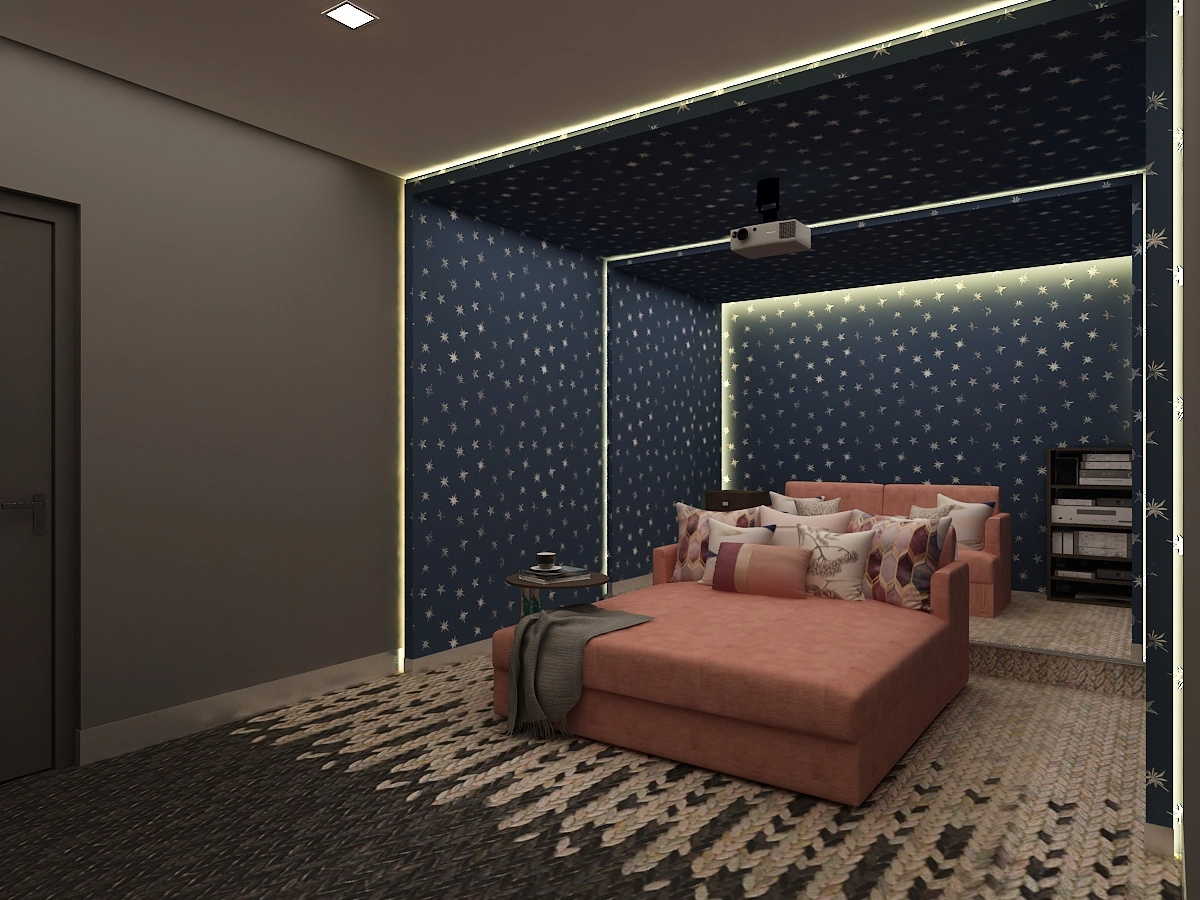
In today’s design landscape, colour is no longer just a finishing touch—it is a defining element that shapes how a space feels and functions. Beyond visual beauty, colour has the power to influence emotions, behaviour, and the way we perceive space. Thoughtful colour choices can make interiors feel calm or energetic, expansive. When applied with intention, colour becomes a silent design language. This blog explores how colour impacts mood and spatial perception in interior environments.
1.Psychological Impact of Colour on Mood
Colours interact directly with human emotions and mental states. Warm shades such as red, orange, and yellow are known to stimulate energy, warmth, and social interaction. These hues can create a welcoming atmosphere when used in moderation. Cooler tones like blue and green encourage calmness, relaxation, and focus. The right balance ensures emotional comfort without overstimulation.
2.Warm Colours and Spatial Intimacy
Warm colours tend to visually advance, making surfaces feel closer to the viewer. This quality helps create intimate, cosy environments in large or open rooms. They are effective in areas designed for connection and engagement. However, excessive use can make smaller rooms feel confined. Strategic placement maintains comfort while preserving spatial balance.
3.Cool Colours and Visual Expansion
Cool colours visually recede, giving rooms a more open and airy feel. Light blues, greens, and soft purples enhance spaciousness and clarity. These tones are ideal for compact interiors or areas with limited natural light. They support a sense of calm and openness. Proper lighting further enhances their expansive effect.
4.Neutrals as a Foundation for Balance
Neutral colours provide visual stability and timeless appeal. Shades such as white, beige, grey, and taupe allow other design elements to stand out. They reflect light efficiently, improving brightness and perceived space. Neutrals also adapt easily to changing styles over time. This makes them a reliable base for layered design.
5.Cohesive Colour Strategy in Interior Design
A successful colour scheme relies on harmony rather than isolated choices. Layering base tones with secondary shades and subtle accents creates visual flow. This approach supports elegance in a Luxury interior while maintaining clarity in a Modern interior. In a Villa, colour often draws inspiration from natural surroundings. Consistency ensures spaces feel connected and purposeful.
Final Thought
The true impact of colour lies in its subtlety. When chosen with awareness and purpose, it quietly supports mood, enhances space, and elevates everyday living. Thoughtful colour design is not about following trends, but about creating interiors that feel right—now and for years to come.